


Blog

Making gravity your friend
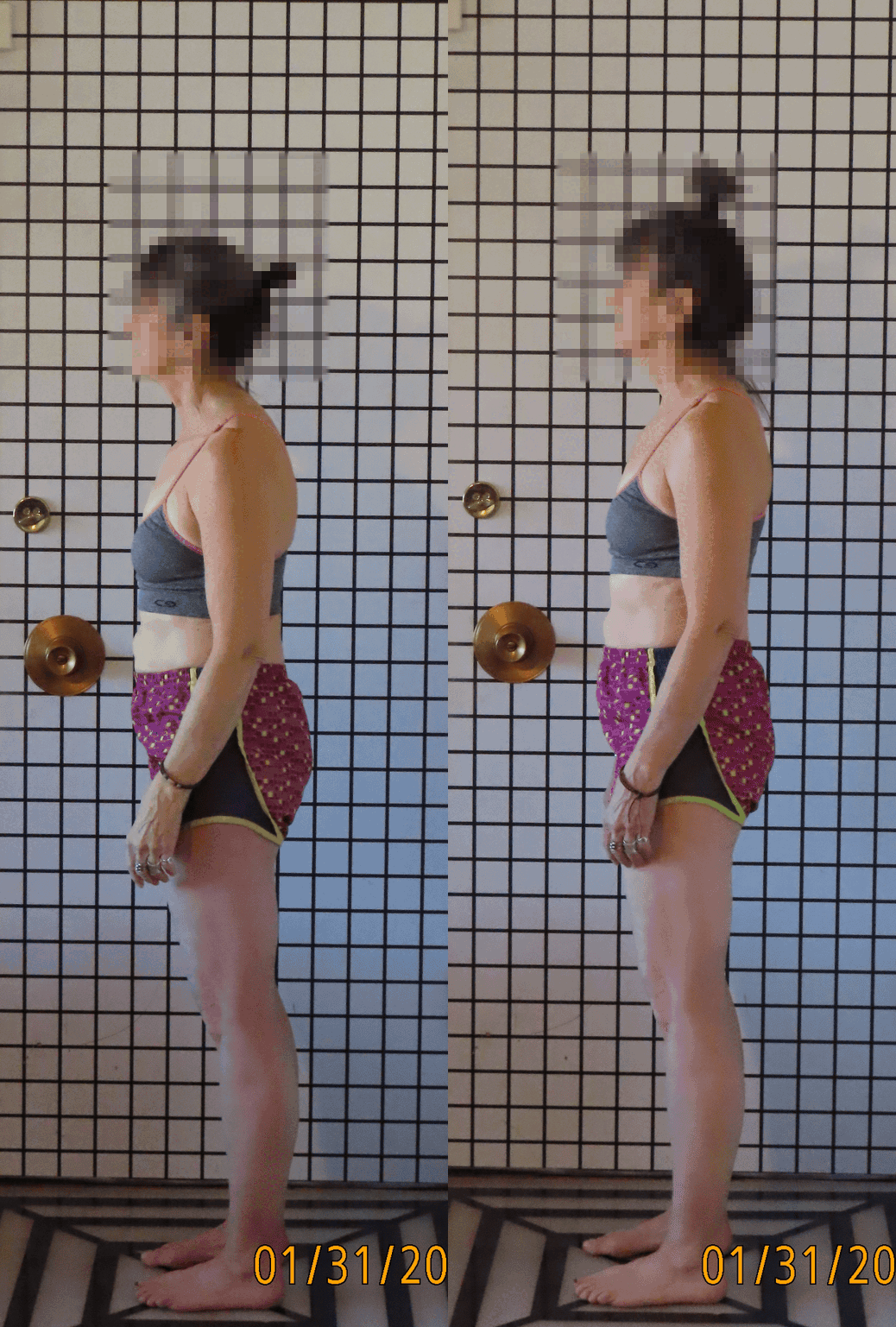
In this session, my client exhibited notable progress in vertical alignment. Reduced thigh flexion supported effective pelvic repositioning, which contributed to improved upper body lift and posterior shift. Furthermore, the shoulders retracted appropriately, and the head positioned directly above the shoulder girdle, resulting in a significantly enhanced vertical alignment within the field of gravity.

Lengthening in the lumbar area
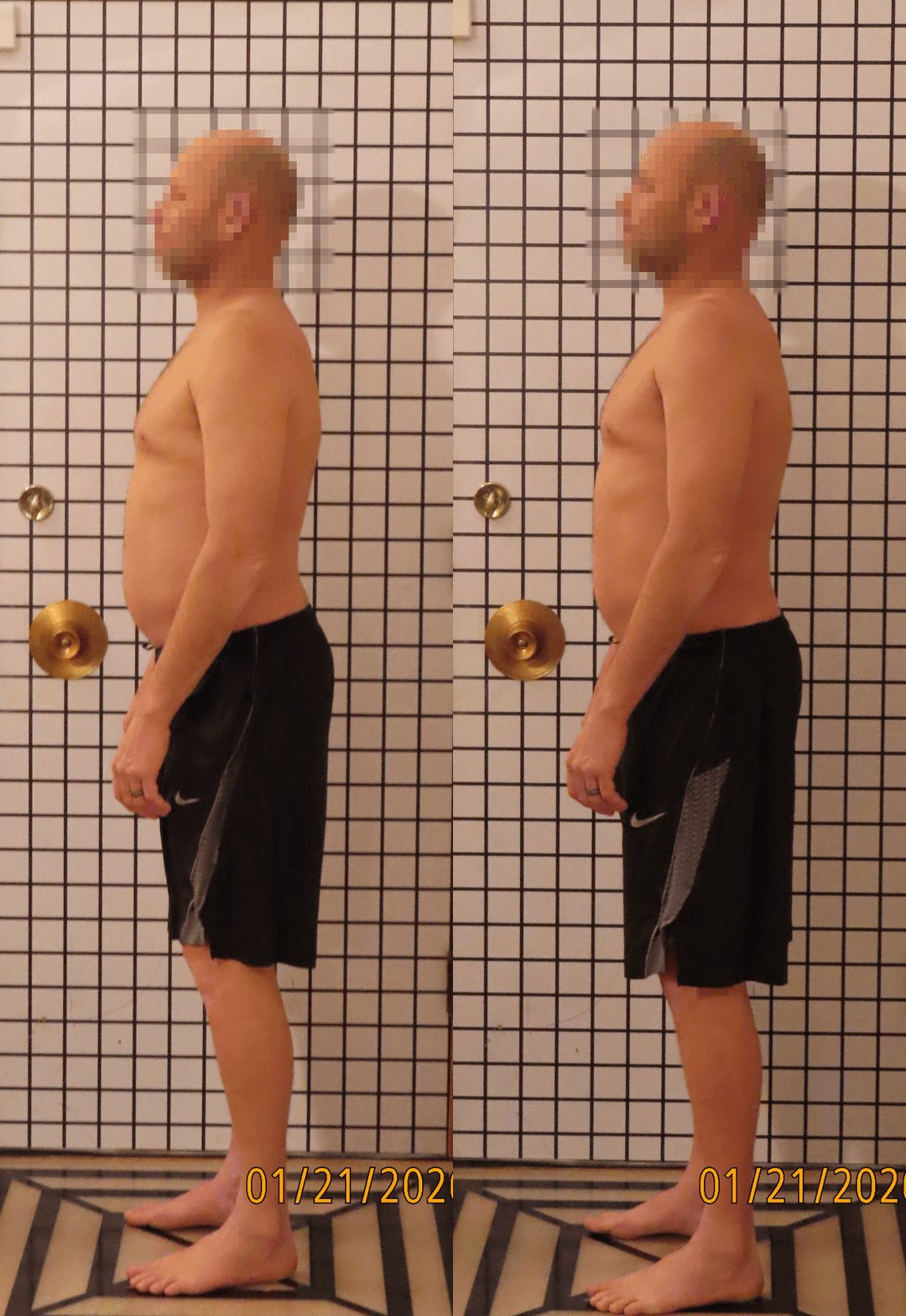 After previously experiencing a disc herniation in his lumbar region, my client has demonstrated significant improvements in both alignment and extension of his spine following our session. The after image reveals a noticeable reduction in anterior tilt and shows that we are successfully encouraging the spine to return to a more neutral position in the lumbar area. Enhanced core engagement is contributing effectively to these positive changes.
The Line Idea
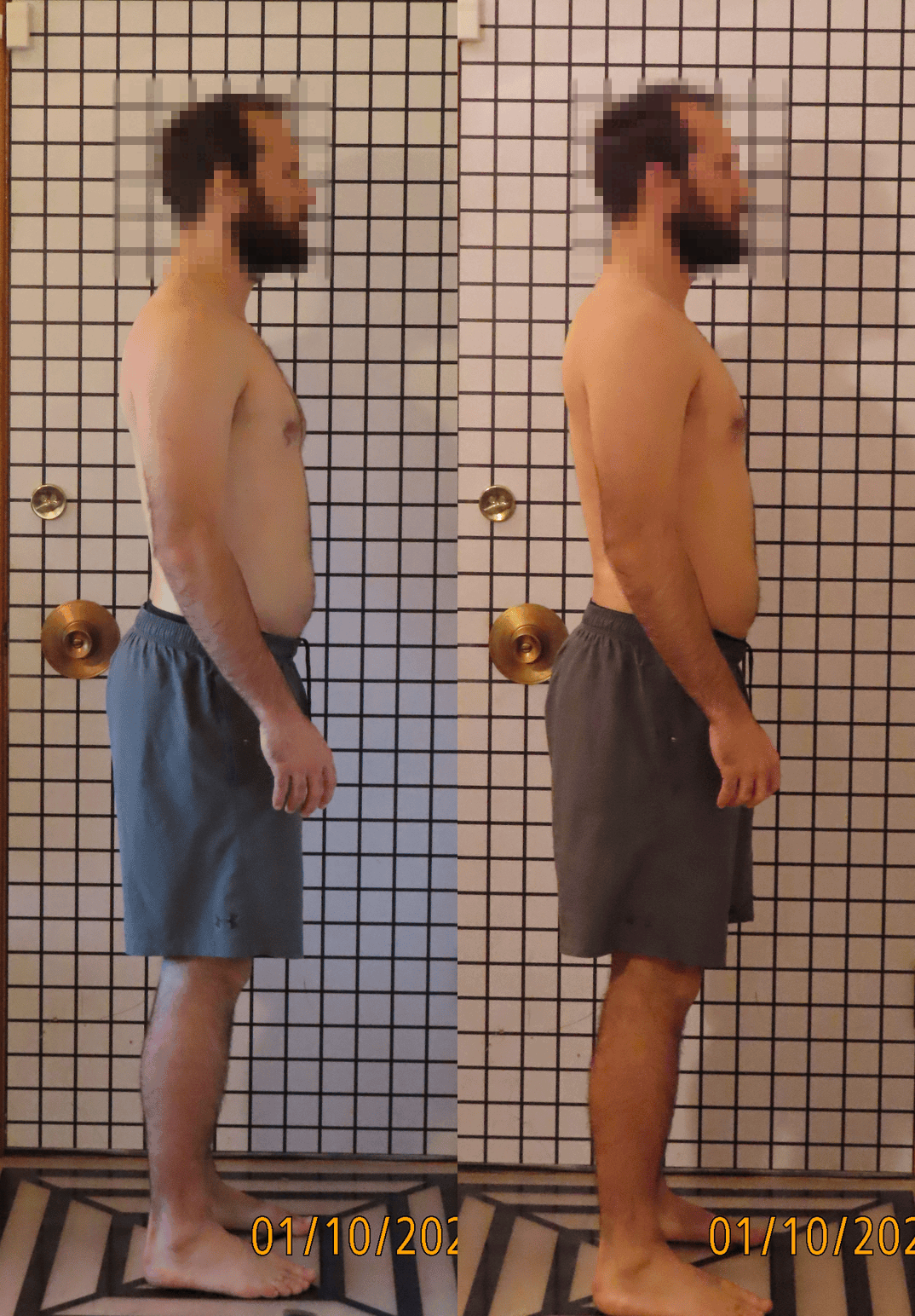 In this example, my client is revealing a more aligned body in his lateral line profile. His head moves back so it is properly positioned above the shoulder girdle, and his body mass is more evenly distributed both behind and in front of an imaginary line—and this line varies from person to person. My client’s fascia tends to be on the tighter side compared to the broad variance seen in the connective tissue spectrum. We are continuing to address a pain issue which is what brought him to try Rolfing. The integration process continues with a comprehensive approach.
Full Body Engagement
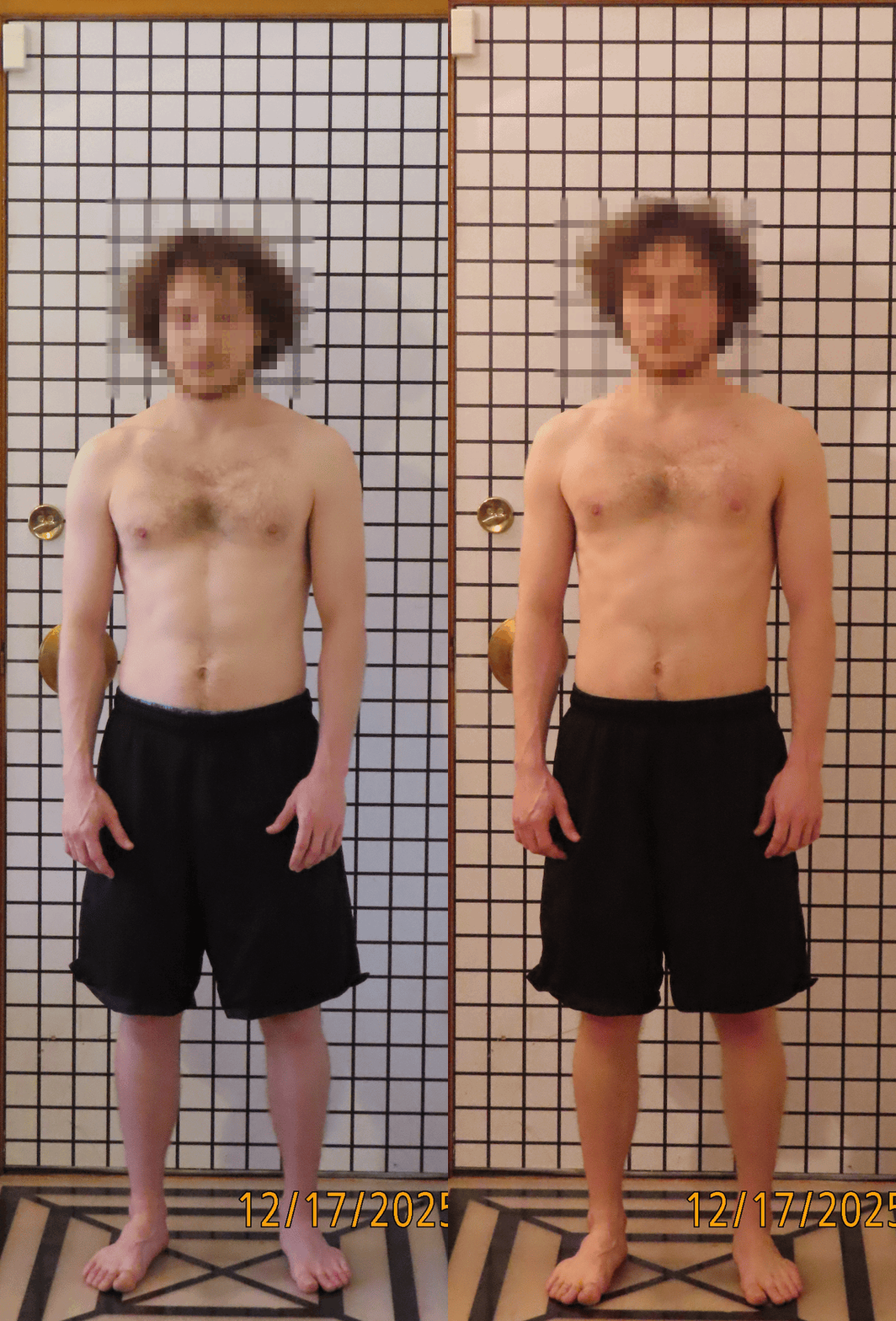 Full body engagement with my client in this Rolfing session. Starting at his feet as they move medially his legs become more supportive and that change moves up his body giving length and lift in his torso allowing his shoulder girdle to move back and the repositioning of his arms allows them to rest more to his sides than in front of him. His head moves to the centerline of his body and rests on top of his shoulder girdle more comfortably and he is taller.
Getting Lift and Shifting Upward
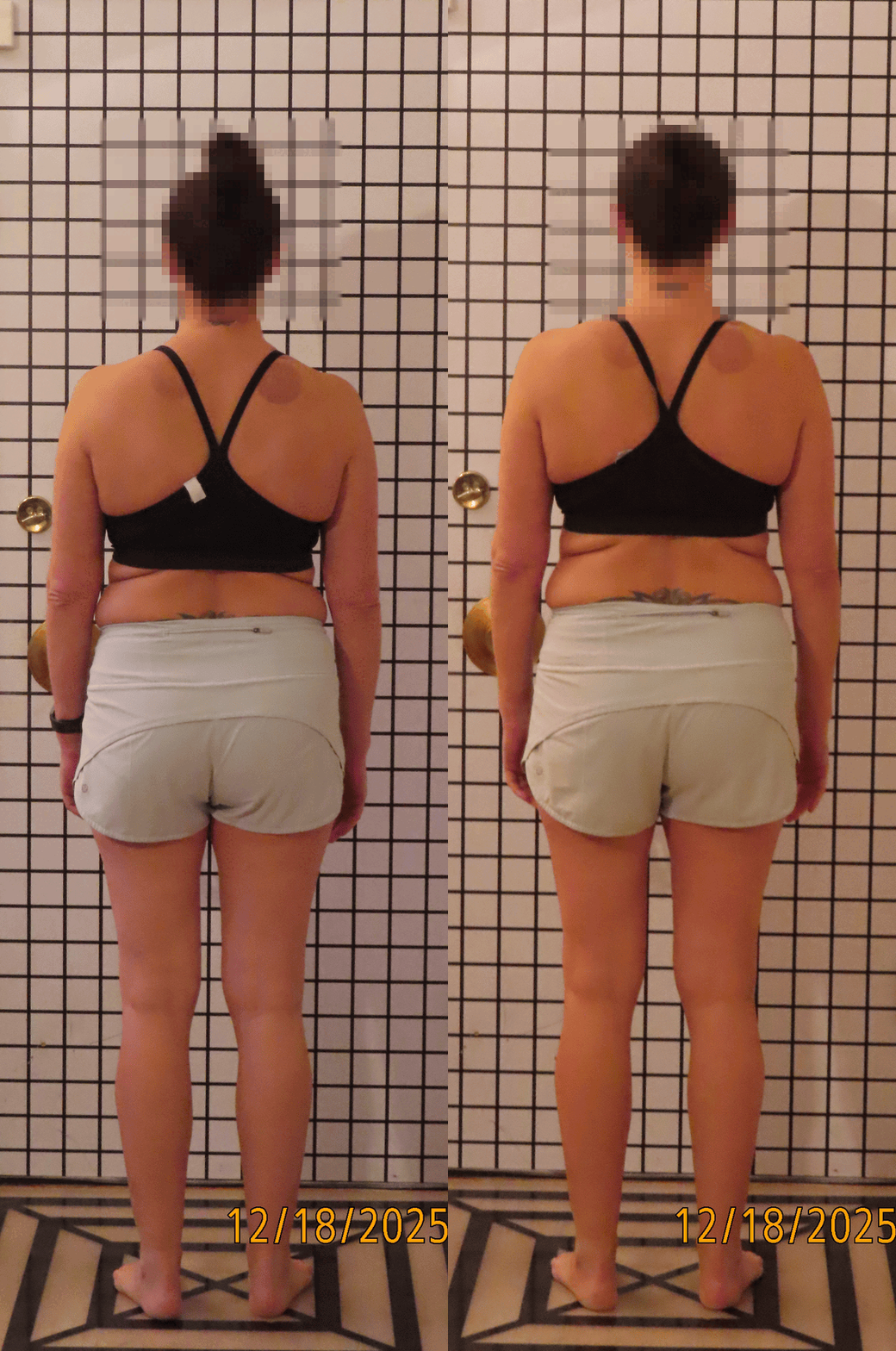 At Rolfing Iowa, our goal is to improve your structural alignment to enhance mobility and reduce discomfort in areas that have historically caused you pain. As demonstrated by my client shown in the accompanying graph, there has been a significant increase in length in her structure. We focused on creating space in the hip region to facilitate these positive changes. Gravity is your ally and acts as great supportive force in this example and it is working for you or against you-so make it your friend.
Gentle Rolfing for Pregnancy
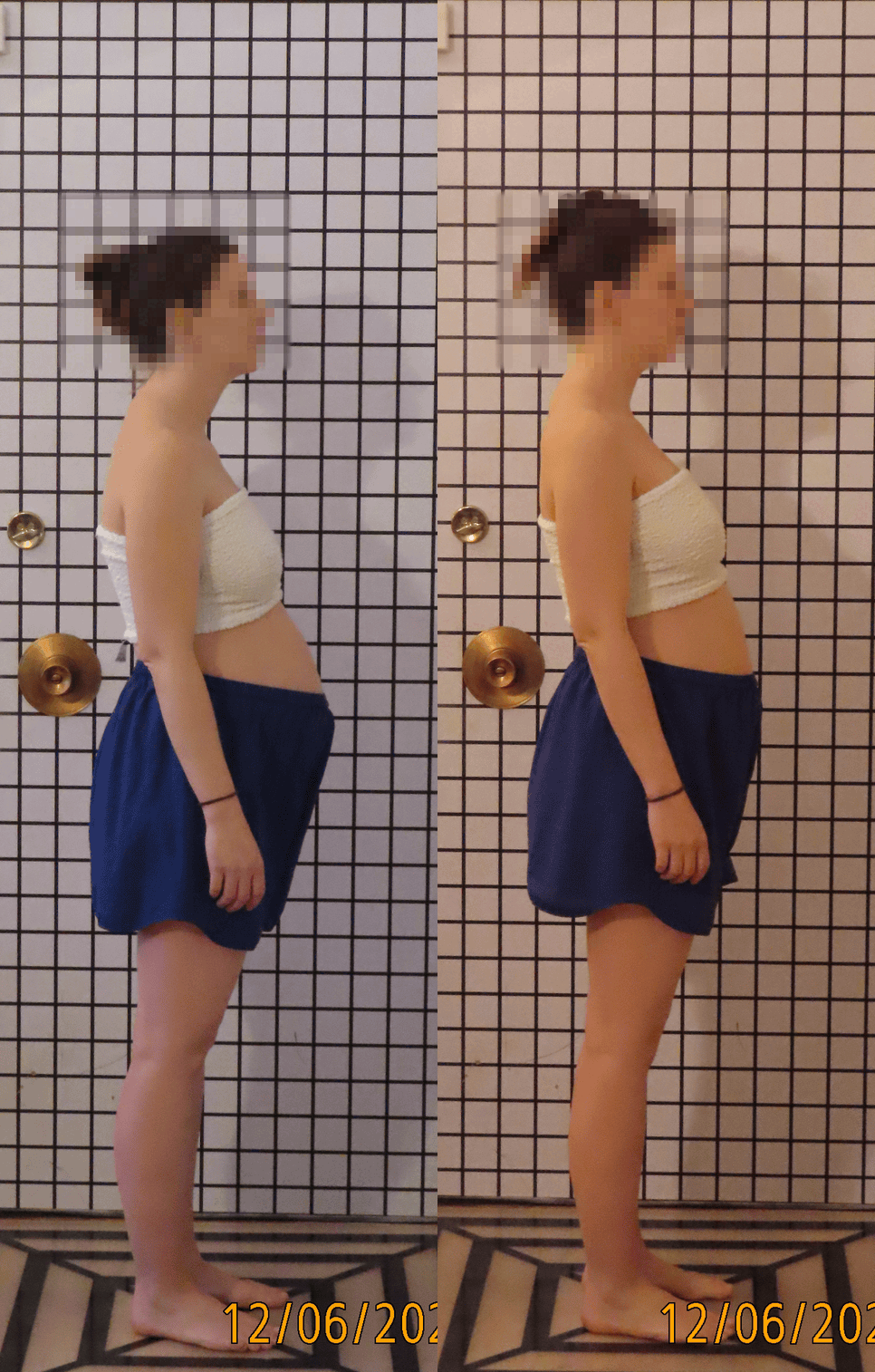 Gentle Rolfing can be beneficial for pregnant individuals experiencing postural strain, as illustrated by my client in this image. During pregnancy, the body produces the hormone relaxin, which increases ligament and tendon laxity, leading to decreased joint stability and a higher risk of overstretching or injury. As pregnancy advances and structural changes intensify, Rolfing can support the body in adapting to new patterns, promoting increased comfort and functional movement. Sessions are conducted in a side-lying position with appropriate pillow support.
Improving Forward Head Posture
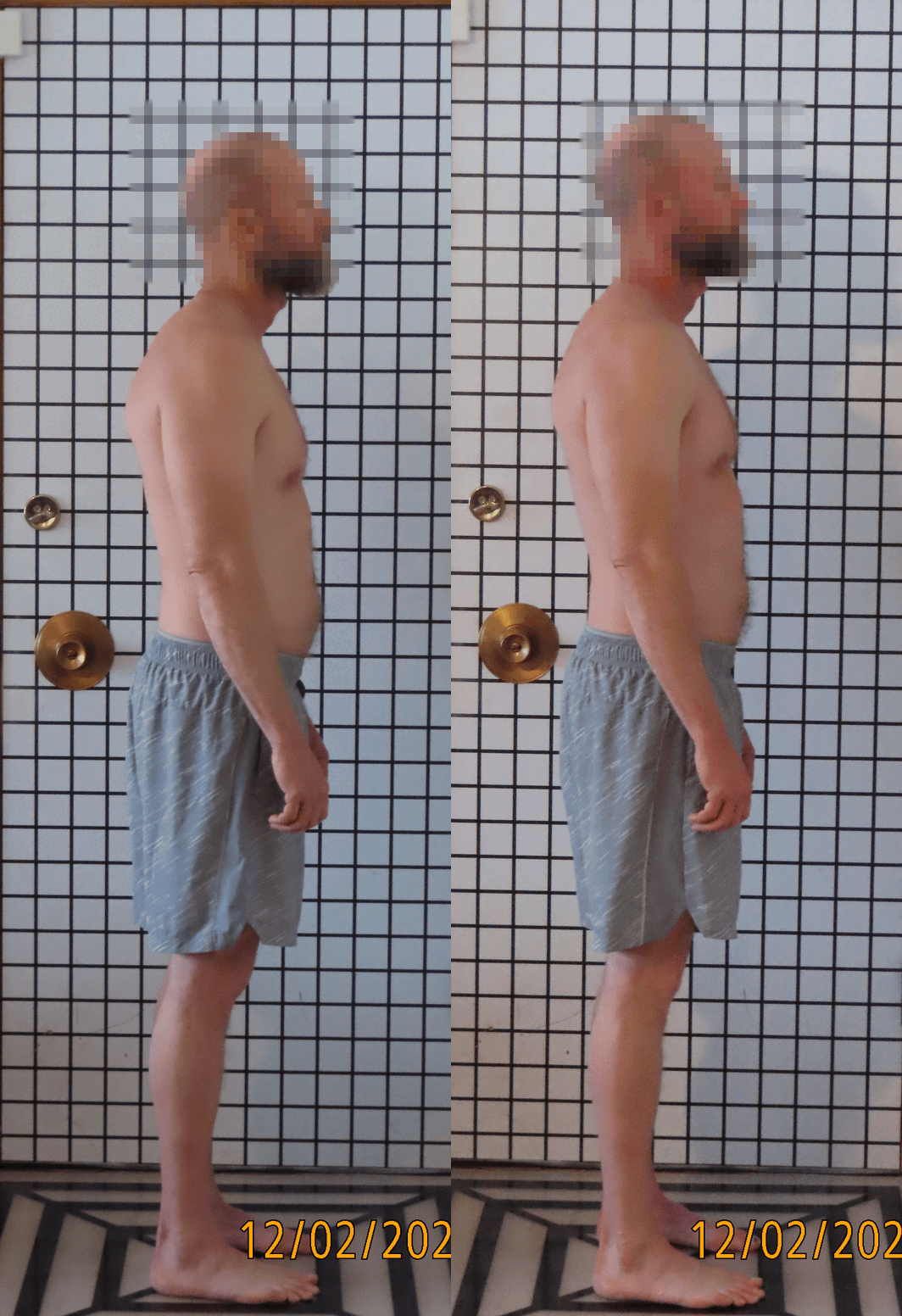
This before-and-after image from a Rolfing® session demonstrates a notable improvement in my client’s head alignment atop his shoulder girdle. According to established guidelines, every inch of forward head posture increases spinal pressure by approximately ten pounds, potentially causing the cervical spine to support double the weight of the head or more. My client’s lateral line is visibly improved with less flexion in his thighs as his head returns to a more optimal position. Forward head posture may reduce lung capacity by restricting elevation of the first rib during inhalation, and it can contribute to premature degeneration of intervertebral joints. Rolfing® empowers clients to become aware of their postural habits outside of sessions, providing them with strategies to support lasting integration.
Nuanced Shifts in Body Alignment
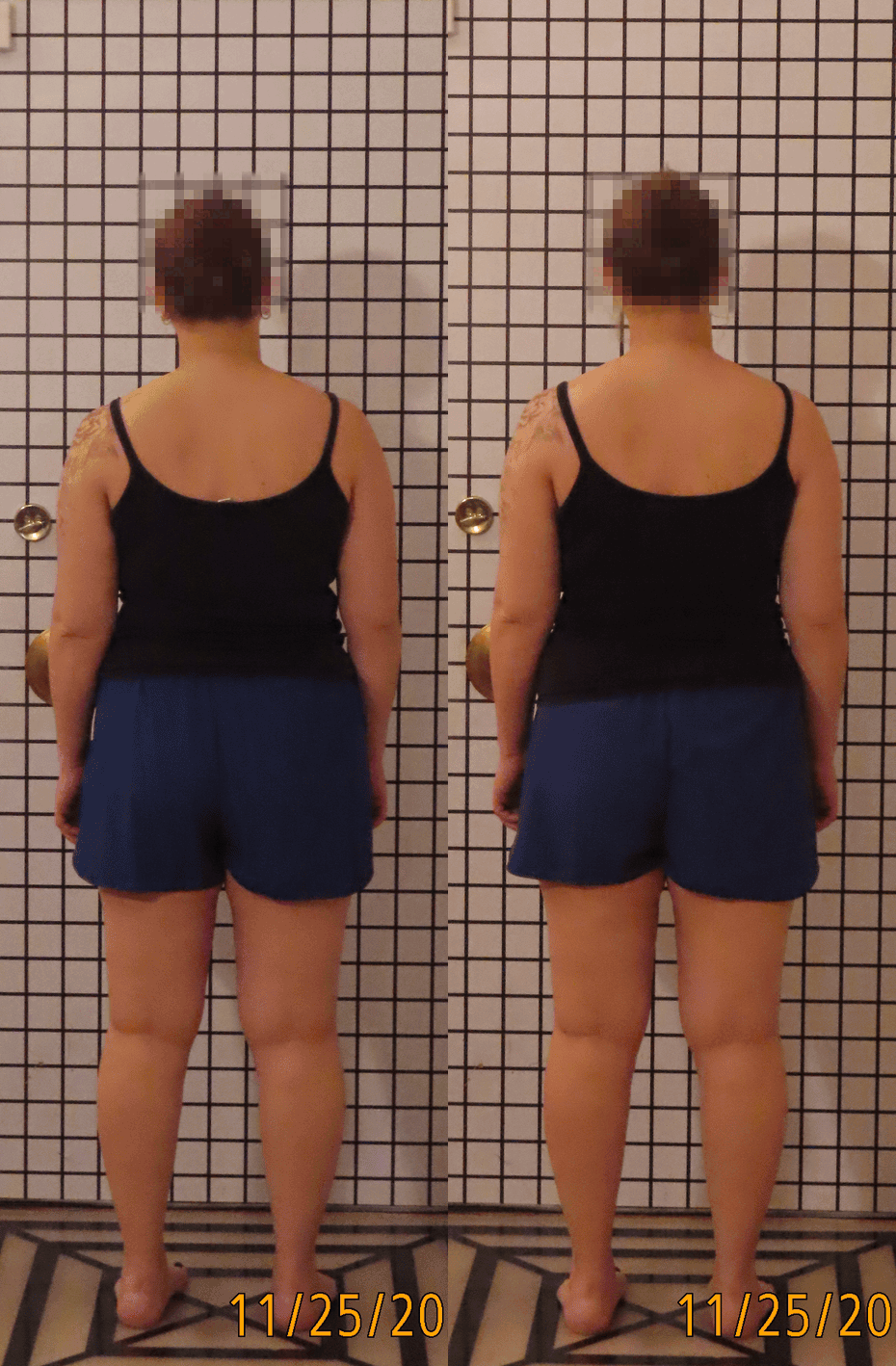 In this image a small adjustment in my client’s body can create a ripple effect, impacting their entire structure. In this example, when my client's left leg rotates laterally, it allows her entire left side of her body to lengthen. This subtle change results in greater evenness in both her hips and her shoulder girdles. These gentle shifts, although seemingly minor, can lead to significant changes in overall body alignment. By fostering these nuanced adjustments, our goal is to help clients connect with their bodies in a meaningful way. This connection empowers them to experience improved fluidity and efficiency of movement, while also reducing areas of pain and restriction.
Full Body Connection
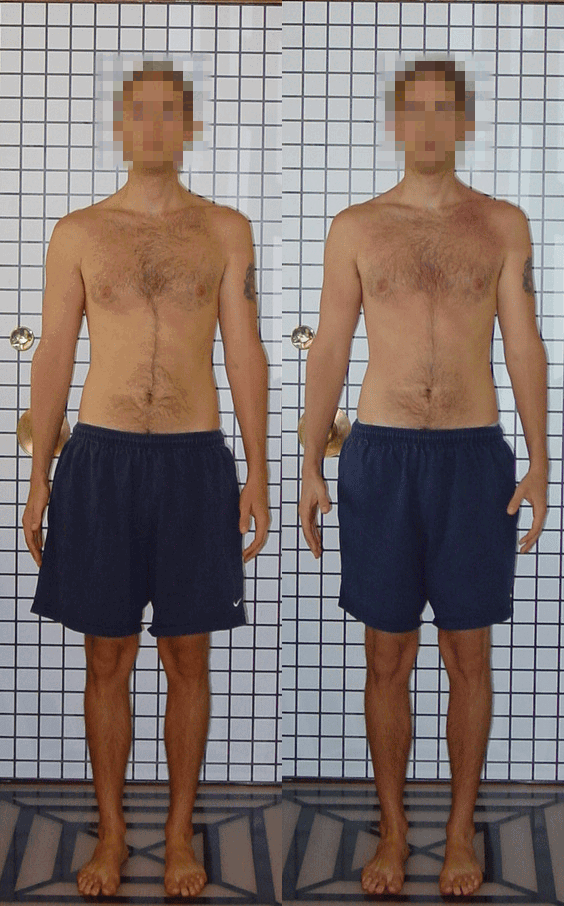 During this session, my client demonstrated significant shifts from feet to head, beginning with his feet and their reorientation to a more parallel alignment. This adjustment facilitated the gastrocnemius muscle compartments to shift appropriately toward the posterior aspect of both lower legs, promoting optimal positioning of the hips in a more horizontal presentation—a key element in the Rolfing process. Additionally, the client's torso elongated, contributing to increased height, and his head rotated centrally over his body.
Empowering your journey through Rolfing
 Reducing the flexion in my client’s thighs is aiding her progression toward a more upright posture. Our next focus will be above the pelvis. Although not clearly visible in the photo, there's a subtle rotational adjustment in her pelvis that results in a more balanced appearance in that region. When working with clients, our goal is to establish a lateral alignment within the gravitational field, which leads to more efficient movement, improved fluidity, a wider range of motion, and importantly, the relief from persistent pain in areas such as the back, neck, shoulders, hips, and feet that brings many people to Rolfing.